
Boosting efficiency with data-driven software development
In the ever-changing world of software development, one thing has become clear: the need to adapt and innovate is a constant. One way many of us in the field have found to maintain relevance and efficiency is through the adoption of a data-driven approach. Drawing on experiences from a successful implementation at INFO, this post aims to provide insights on integrating data-driven methodologies into your software development lifecycle.
The case for a data-driven approach
When used effectively, data can catalyse informed decision-making, improve efficiency, allocate resources better, and accelerate project delivery. Honing in on key performance metrics (project timelines, bug rates, customer satisfaction) uncovers valuable insights into a process’s actual effectiveness. Adopting frameworks like DORA (DevOps Research and Assessment) provides a holistic perspective on a project’s health.
What you actually get from it
- Cost reduction and improved efficiency. Data-driven decisions help identify inefficiencies, streamline processes, and eradicate unnecessary costs. The result is better resource utilisation, faster project delivery, and increased productivity.
- Enhanced project management. Data analysis makes potential bottlenecks and risks visible, allowing the team to address them proactively. Better project planning, higher success rates.
- Personalised customer experiences. Understanding customer behaviours and preferences via data analytics lets you tailor your services, enhancing satisfaction and fostering loyalty.
The common concerns
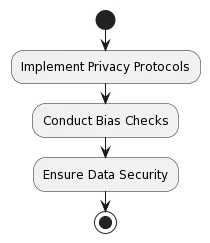
Despite the benefits, there are real concerns around privacy, data security, and bias. They’re manageable:
- Privacy. Implement robust protocols to protect sensitive data; use anonymisation techniques to ensure individual privacy.
- Bias in data analysis. Use diverse and representative datasets. Monitor regularly to identify and rectify bias as it arises.
- Data security. Establish strict security protocols to prevent breaches; conduct regular audits to maintain data integrity.
Charting your course
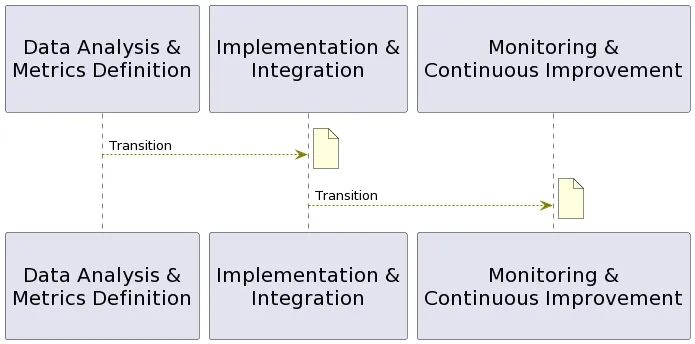
- Data analysis and metrics definition. Begin with a thorough analysis of your project timelines, bug rates, customer satisfaction levels, and any other relevant metrics. Define specific metrics that align with your organisation’s goals.
- Implementation and integration. Develop data collection mechanisms and integrate data analysis tools into your existing infrastructure. Train your team to ensure a smooth transition.
- Monitoring and continuous improvement. Watch the data, analyse it regularly, use the insights to inform decisions and improve where necessary.
Wrap-up
Adopting a data-driven approach can do wonders to make your software development process more efficient and customer-centric. By harnessing data analytics, you equip your team to make more informed decisions and elevate customer satisfaction.
This transformation isn’t a solo endeavour; it requires a collaborative effort, thorough training, and ongoing monitoring. Addressing potential concerns like privacy, security, and bias is essential to keep the approach ethical and effective.
In the midst of digital transformation, embracing data can unlock an organisation’s full potential, supercharge the customer experience, and drive business growth.